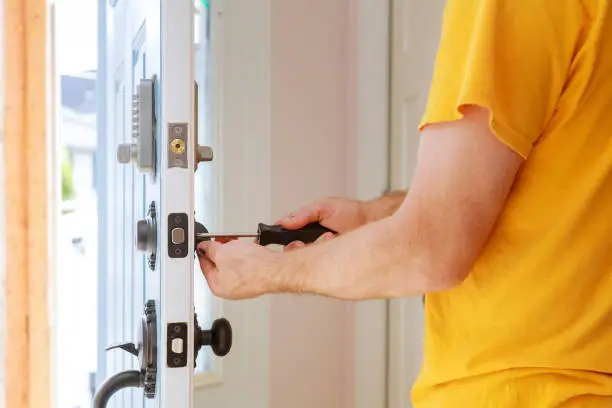
Choosing the right lock mechanism is essential for ensuring the security and functionality of your home. Among the most common types are deadbolts and latches. Although they might appear similar at first glance, they serve different purposes and offer distinct advantages. In this comprehensive guide, we will delve into the key differences between deadbolts and latches, helping you make an informed decision about which is best for your needs.
Locks are an integral part of home security, and understanding the differences between various types of locks can significantly impact your safety and convenience. Deadbolts and latches are two popular locking mechanisms, each with unique features suited for different applications. This guide will help you understand these differences and determine which lock is right for your home.
What is a Deadbolt?
A deadbolt is a type of lock that offers enhanced security compared to standard latch mechanisms. It consists of a solid metal bolt that extends into the door frame when the lock is engaged. Unlike spring-loaded latches, deadbolts require a key or thumb turn to retract the bolt.
Key Features
Solid Bolt: Deadbolts use a heavy, solid metal bolt that slides into a corresponding hole in the door frame. This design makes it extremely difficult for intruders to force the door open.
Operation: To operate a deadbolt, you need a key from the outside or a thumb turn from the inside. This means that the bolt cannot be easily retracted without the correct key or turn.
Security: Deadbolts are highly effective at preventing unauthorized entry, making them ideal for exterior doors and areas where security is a priority.
Advantages of Deadbolts
Enhanced Security: Due to their solid construction and bolt mechanism, deadbolts offer superior protection against forced entry.
Durability: Deadbolts are typically made from robust materials, which contributes to their long-term durability and reliability.
What is a Latch?
A latch is a simpler locking mechanism often found in door knobs and handles. It uses a spring-loaded bolt that extends into the door frame when the door is closed. Unlike deadbolts, latches are designed for ease of use and can be retracted by turning the knob or handle.
Key Features
Spring-Loaded Bolt: The bolt in a latch mechanism is spring-loaded, allowing it to automatically retract when the door is opened and extend when the door is closed.
Operation: Latches are operated by turning the knob or handle. This design makes them easy to use for frequent access but less secure against forced entry
Security: While latches provide basic locking functionality, they are less effective at preventing unauthorized entry compared to deadbolts. They are typically used for interior doors or less critical entry points.
Advantages of Latches
Convenience: Latches are easy to operate and provide quick access, making them ideal for interior doors where security is not as critical.
Ease of Installation: Latch mechanisms are generally simpler to install compared to deadbolts, often coming pre-installed in standard door hardware kits.
Key Differences Between Deadbolts and Latches
Understanding the differences between deadbolts and latches can help you make an informed decision about which lock to use. Here are the key differences:
1. Security Features and Effectiveness
Deadbolts: Provide superior security with their solid metal bolts and resistance to tampering. Deadbolts are designed to withstand forced entry attempts, making them suitable for exterior doors and high-risk areas.
Latches: Offer basic security and are generally more suitable for interior doors or less critical entry points. Latches can be easily bypassed with tools, so they are not ideal for areas where security is a primary concern.
2. Mechanism and Operation
Deadbolts: Require a key or thumb turn to retract the bolt. This ensures that only authorized individuals can unlock the door, enhancing security. Deadbolts are typically used on exterior doors where security is crucial.
Latches: Operated by turning a handle or knob, making them convenient for frequent use. The spring-loaded mechanism allows for quick and easy access but provides less resistance against forced entry.
3. Typical Applications and Use Cases
Deadbolts: Recommended for exterior doors, especially in high-risk areas where security is a priority. They are also suitable for entry points that require high levels of protection, such as storage rooms or offices.
Latches: Commonly used for interior doors, closets, and less critical entry points. They are ideal for doors that do not require high security but need to be easily accessible.
Security Considerations: Deadbolt vs Latch
When choosing between a deadbolt and a latch, consider the specific security needs of your home:
Deadbolts
Protection Against Forced Entry: Deadbolts are designed to resist attempts to force the door open. They are an excellent choice for securing entry points that are vulnerable to break-ins.
Ideal for Exterior Doors: Use deadbolts on exterior doors to provide an additional layer of security and peace of mind.
Latches
Convenience for Interior Use: Latches are suitable for interior doors where security is less of a concern. They offer ease of use and are well-suited for areas with high traffic.
Not Ideal for High-Risk Areas: Avoid using latches for exterior doors or areas where security is a top priority, as they do not offer the same level of protection as deadbolts.
Ease of Installation and Maintenance: Deadbolt vs Latch
Deadbolts
Installation: Installing a deadbolt typically requires drilling and fitting into the door frame, which can be more complex than installing a latch. Professional installation may be necessary for optimal security and functionality.
Maintenance: Deadbolts generally require low maintenance. Periodic checks and lubrication can ensure smooth operation and longevity.
Latches
Installation: Latch mechanisms are often simpler to install and may come pre-fitted with door hardware kits. This makes them a good option for DIY installations.
Maintenance: Latches require occasional adjustment and lubrication to ensure smooth operation. Regular maintenance can prevent issues such as sticking or misalignment.
Cost Comparison: Deadbolt vs Latch
Deadbolts
Price Range: Deadbolts are generally more expensive due to their robust security features and complex installation requirements. Prices can vary based on the level of security and additional features, such as keyless entry options.
Latches
Price Range: Latches are typically less expensive and readily available in standard hardware kits. Their lower cost is due to the simpler mechanism and easier installation process.
Which One is Right for Your Home?
Choosing between a deadbolt and a latch depends on your specific needs and preferences:
For Exterior Doors: Opt for deadbolts to enhance security and protect against forced entry. Deadbolts are ideal for securing entry points that are vulnerable to break-ins.
For Interior Doors: Latches are suitable for interior doors where convenience and ease of use are more important than high security. They are perfect for doors that do not require additional security measures.
Conclusion
Both deadbolts and latches offer unique advantages and are suited to different applications. Deadbolts provide superior security and are ideal for exterior doors and high-risk areas. Latches offer convenience and ease of use for interior doors and less critical entry points. By understanding the key differences and considering your specific security needs, you can make an informed choice that best suits your home.
Frequently Asked Questions
What is more secure than a deadbolt?
More secure than a deadbolt are high-security deadbolts (like Medeco or Schlage Primus), electronic locks with keypads or biometrics, multipoint lock systems that secure the door at multiple points, and additional security features like door reinforcement kits and security bars.
What is the difference between lockly latch and deadbolt?
The Lockly latch uses a spring-loaded bolt for ease of use on interior doors, allowing quick access with a handle or knob but offering basic security. In contrast, the Lockly deadbolt features a solid metal bolt that provides enhanced security by requiring a key or code to operate, making it more suitable for exterior doors and higher-security needs.
Can I replace latch with deadbolt?
Yes, you can replace a latch with a deadbolt, but it typically requires drilling new holes and adjusting the door frame to accommodate the deadbolt and its strike plate.